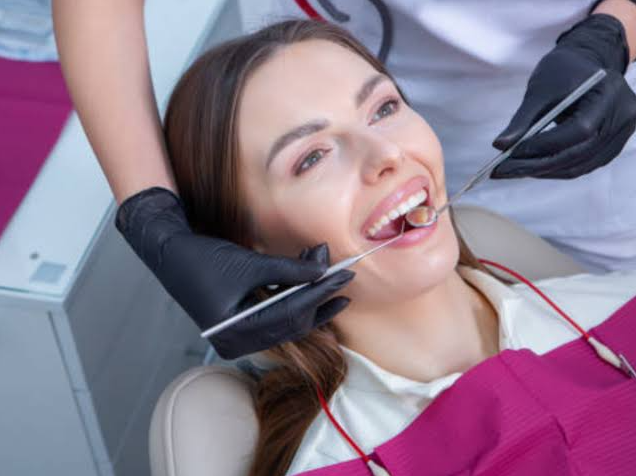
How Preventive Dentistry Protects Your Investment In A Smile Makeover
You might be feeling a mix of pride and worry right now. You finally invested in the smile makeover you have wanted for years. Maybe you chose veneers, bonding, whitening, or a mix of cosmetic treatments from a trusted Morgan Hill dentist. You look in the mirror and, for the first time in a long time, you actually like what you see. Then a quiet thought creeps in. How long will this last? What if something goes wrong?
That tension is real. You spent real money, real time, and a lot of emotional energy to get this result. The idea of chipping a veneer on a fork, or seeing new stains sneak back onto your teeth, can feel almost worse than not having the work done at all. Because now you know what a confident smile feels like.
This is where preventive dentistry becomes more than a routine cleaning twice a year. It becomes the strategy that protects your investment, extends the life of your cosmetic work, and keeps you from starting all over again. In simple terms, if the smile makeover is the renovation, preventive care is the ongoing maintenance that keeps it beautiful and healthy.
So, where does that leave you? You do not need to become a dental expert. You just need to understand a few key ideas about how everyday habits, regular visits, and smart choices can guard your smile makeover for many years.
Why a Smile Makeover Alone Is Not Enough
Think of your smile makeover as a new kitchen. It looks great on day one. The cabinets are flawless, the counters shine, and everything feels fresh. But if you ignore spills, never clean the surfaces, and slam the doors every day, even the best work will wear out quickly. The same is true for cosmetic dentistry.
The hidden truth is that many cosmetic problems begin with basic oral health issues. Gum disease, untreated cavities, grinding, clenching, and dry mouth all sit quietly in the background while you focus on the shape and color of your teeth. If those issues are not controlled, they can slowly damage or shorten the life of veneers, crowns, bonding, and whitening results.
For example, imagine someone who just finished whitening and bonding to close spaces between their front teeth. They are thrilled. But they also have early gum disease and often skip flossing. Over time, the gums start to recede. The edges of the bonding become visible, stains collect around them, and the teeth no longer look smooth and even. The patient blames the cosmetic work, but the real problem was neglected preventive care.
This is why preventive dentistry for cosmetic work is not optional. It is part of the treatment itself. Without it, the risk of needing repairs, replacements, or even more invasive procedures rises sharply. Emotionally, that can feel like going backward. Financially, it can mean paying twice for the same smile.
See also: Mutf_In: Sbi_Life_1d4zdz0
What Happens If You Skip Preventive Dentistry After a Makeover?
If you are wondering what is at stake, it helps to name the specific risks. When preventive care is ignored after a smile makeover, a few patterns tend to show up.
First, cosmetic materials do not protect you from decay or gum disease. Veneers and crowns cover the visible part of the tooth, but the natural tooth and surrounding tissues can still get cavities or infections. If that happens, a beautifully designed veneer might have to be removed to treat the tooth, then replaced at additional cost.
Second, normal habits can create extra stress. Grinding or clenching, often at night, can crack porcelain, chip bonding, or wear down edges. Without a custom night guard and regular checkups, you may not even realize the damage is happening until you see a visible chip in the mirror.
Third, staining and wear continue over time. Coffee, tea, red wine, and tobacco still affect your teeth and restorations. Some materials resist stain better than others, but none are completely immune. Without professional cleanings and touch ups, the bright, even color you loved right after treatment can slowly fade.
Emotionally, this can feel like a slow unraveling. You may start to hide your smile again, not because the work was bad, but because it was left unprotected. That is the part you can control.
How Preventive Dentistry Protects Your Smile Makeover Investment
Preventive dentistry is the quiet partner of cosmetic care. It focuses on keeping gums healthy, controlling plaque and tartar, catching problems early, and protecting teeth from unnecessary stress. When you combine that with cosmetic treatment, you get a smile that not only looks good, but lasts.
According to the Centers for Disease Control and Prevention, daily brushing with fluoride toothpaste and regular dental visits are core habits for protecting oral health as an adult. You can read their simple guidance on oral health tips for adults to see how your daily routine compares.
Good preventive care supports your cosmetic work in a few key ways.
It keeps your gums stable, which keeps veneers and crowns looking natural at the edges. It reduces the risk of decay around or under restorations. It slows down staining and wear through professional cleanings and polishing. It also gives your dentist a chance to spot early cracks, tiny chips, or bite problems before they turn into expensive repairs.
When you think of it that way, protecting a smile makeover with preventive dentistry is simply smart asset protection. You put time and money into your smile. Preventive care is how you protect that value.
Comparing “Just Cosmetic” Care To Cosmetic Plus Preventive Care
It can help to see the difference between focusing only on looks and combining cosmetic work with strong preventive habits. The contrast is often clearer over a few years.
| Approach | Short Term Experience | 3 to 5 Year Outlook | Emotional & Financial Impact |
| “Just cosmetic” focus | Smile looks great right after treatment. Little change to daily habits or checkup schedule. | Higher chance of chips, stains, gum changes, and decay around restorations. More surprise repairs. | Frustration as results fade. Extra costs for touch ups or replacements that were not expected. |
| Cosmetic plus consistent preventive care | Smile looks great, and you get clear guidance on home care, products, and visits. | Restorations last longer. Problems are caught early, often before you notice them. | More confidence that your investment is protected. Fewer emergencies and more predictable costs. |
| Strong preventive care before cosmetic work | Gums and teeth are healthy before treatment. Cosmetic plan is built on a stable foundation. | Lower risk of needing to redo work because of underlying disease. Better long term stability. | Greater peace of mind. You feel that your smile is healthy, not just attractive. |
If you are unsure how your current habits measure up, the National Institute of Dental and Craniofacial Research offers clear guidance on daily routines in its information on oral hygiene basics. Small changes in brushing, flossing, and product choice can make a large difference over time.
Three Steps You Can Take Right Now To Protect Your Smile Makeover
You do not have to change everything at once. Start with a few targeted steps that offer strong protection for your cosmetic work and your overall oral health.
1. Tighten your daily home care routine
Your everyday habits are the first line of defense around your cosmetic dentistry. Aim to brush at least twice a day with fluoride toothpaste, and floss or clean between your teeth once a day. Pay special attention to the edges where veneers, crowns, or bonding meet your natural teeth. These areas are more likely to trap plaque.
Use a soft bristle toothbrush to avoid scratching cosmetic surfaces. If you tend to brush too hard, consider an electric toothbrush with a pressure sensor. For many people, this single change improves gum health and reduces wear on both teeth and restorations.
2. Keep a consistent schedule with your general and cosmetic dentist
Regular exams and cleanings are where small issues are caught early. Many adults do well with visits every six months, though your dentist might suggest a different schedule based on your gums, your restorations, and your risk for decay.
During these visits, speak up about anything that feels different. A slight rough edge, a mild change in bite, or new sensitivity can all be early signs that something needs attention. Addressing these early is usually simpler and less expensive than waiting until there is a visible crack or pain.
The CDC explains how oral health affects overall health and why routine care matters more than people often realize. You can explore that connection in their overview of oral health and general health.
3. Protect your smile from stress, stain, and wear
Think about the small habits that may be putting extra pressure on your teeth. If you grind or clench, ask about a custom night guard. If you chew ice, bite your nails, or use your teeth to open packages, work on breaking those habits. They can easily chip bonding or porcelain.
For stains, try to limit how long dark liquids sit on your teeth. Drinking coffee or tea more quickly, rinsing with water afterward, or using a straw for certain drinks can reduce discoloration over time. If you smoke or use tobacco, reducing or quitting will protect both your cosmetic work and your overall oral health.
Protecting Your Smile Is an Ongoing Choice
You worked hard to get the smile you have now. You may have overcome fear, embarrassment, and cost to sit in that chair and say yes to change. That courage matters. It is worth protecting.
Preventive care turns your smile makeover from a one time event into a long term success. It means choosing small, steady habits over quick fixes. It means partnering with a general and cosmetic dentist who looks beyond the surface and cares about the health beneath the beauty.
You do not have to be perfect. You just need to be consistent. Every brushing, every checkup, every smart choice about how you use your teeth is another way of saying your smile is worth the effort.
If you feel unsure about where to begin, start with one change today. Then talk with your dentist at your next visit about a plan tailored to your specific cosmetic work and oral health. Your future self, smiling confidently without worry, will be grateful you did.