The Art And Science Behind Cosmetic Smile Makeovers
You might be feeling a little self conscious every time you see a photo of yourself or catch your reflection in a shop window. Maybe you cover your mouth when you laugh, or you avoid smiling in meetings, even though you have every reason to feel confident. A Dentist in Santa Rosa can help change that. You know your teeth are not what you want them to be, yet the idea of a “cosmetic smile makeover” sounds both exciting and a bit overwhelming.end
There is usually a clear “before” and “after” in your mind. Before, you feel held back, judged, or simply not yourself. After, you imagine walking into a room without worrying about your teeth at all. Between those two points lies a mix of questions, fears, and choices. That middle part is where most people get stuck.
The good news is that cosmetic dentistry is not magic and it is not guesswork. It is a blend of careful planning, medical science, and artistic judgment. The goal is not a fake, identical smile that looks the same on everyone. The goal is a smile that looks like you, just healthier, brighter, and more balanced.
So where does that leave you right now. In simple terms, this is the path ahead. First, you understand what is actually bothering you about your smile. Then, you learn what modern cosmetic treatments can and cannot do. Finally, you work with a trusted dental center to design a realistic plan that fits your life, your budget, and your personality.
Why does your smile feel “off” and what is really going on?
When people say they want a cosmetic smile makeover, they often use very broad words. “My teeth are ugly.” “My smile is a mess.” Underneath those words are usually a few specific issues that can be addressed one by one.
For example, you might notice stains that never seem to lift, even when you use whitening toothpaste or strips. Another person might see crooked or crowded teeth that make them avoid close up photos. Someone else might have small chips, worn edges, or gaps that catch their eye every time they look in the mirror.
On top of the visible concerns, there is the emotional burden. You may feel older than you are, or worry that others see you as less polished or less healthy. Social events can feel like a test. Work presentations might feel harder because you are trying to control your facial expressions. That constant background worry is exhausting.
Then there is the money question. You might wonder if cosmetic dentistry is only for celebrities or people with unlimited budgets. You may worry about being talked into treatments you do not need, or choosing something and then regretting it. These are fair concerns, and a good dental center will address them openly instead of brushing them aside.
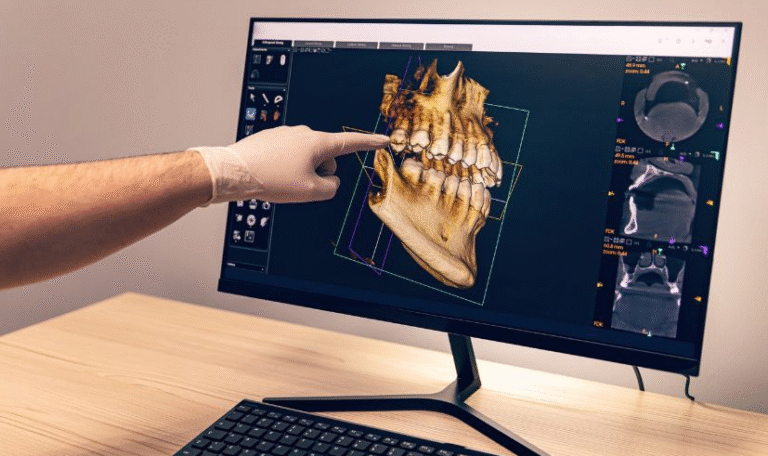
So how does science enter the picture. Modern cosmetic dentistry uses digital imaging, detailed bite analysis, and materials that mimic natural tooth structure. Teeth whitening, for example, uses carefully tested products, not random mixtures you find online. You can read more about the science and safety of whitening in trusted sources like the American Dental Association’s overview on tooth whitening.
Because of this blend of art and science, a well planned smile makeover is less about “perfect” and more about harmony. The size, shape, and color of your teeth are matched to your face, gums, and even your skin tone. The aim is a natural result that feels like a better version of you, not someone else.
What choices do you really have for a cosmetic smile makeover?
When you hear about cosmetic dentistry smile design, the options can sound like a foreign language. Veneers, bonding, aligners, whitening, contouring. It helps to picture real life situations.
Imagine someone with fairly straight teeth but heavy coffee and tea stains. They feel their smile looks dull. For them, professional whitening or gentle enamel polishing might be enough to create a big change at a modest cost.
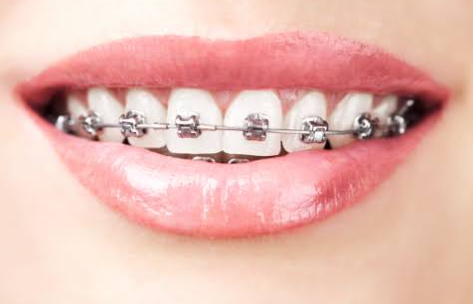
Now picture another person whose front teeth are slightly rotated, with a few small chips and a noticeable gap. Whitening alone will not fix the shapes or positions. They might benefit from a combination of clear aligners to straighten the teeth, then bonding or veneers to reshape edges and close the gap.
Then consider someone whose teeth are worn down from grinding, with uneven edges and a “collapsed” smile. This is not just an appearance issue. It can affect jaw comfort and chewing. In that case, the art and science behind smile makeover planning includes restoring the bite, sometimes with crowns, bite guards, or orthodontics, not just surface level fixes.
If you want a simple overview of the main cosmetic options, their goals, and typical uses, resources like this cosmetic dentistry guide can be a helpful starting point.
So the real question becomes this. Not “Which treatment is best.” Instead, “Which combination of treatments will safely move you from your current smile to the one you can picture in your mind, at a pace and cost that work for you.”
Practical comparisons you should weigh before choosing treatments
To make all of this more concrete, it can help to compare common options side by side. This is not a treatment plan. It is a simple way to see how different choices line up on goals, time, and maintenance.
| Treatment Type | Main Purpose | Typical Time Frame | Durability | Best For |
|---|---|---|---|---|
| Professional Whitening | Lighten tooth color | One visit or a few weeks with trays | Months to a few years, with touch ups | Healthy teeth with surface or age related stains |
| Dental Bonding | Fix chips and small gaps, reshape edges | Often one visit | Several years with proper care | Minor cosmetic flaws on a few teeth |
| Porcelain Veneers | Change shape, size, and color of front teeth | Usually 2 to 3 visits | Many years with good habits | Stubborn discoloration, worn or uneven front teeth |
| Clear Aligners | Straighten crowded or spaced teeth | Several months to over a year | Long term, with retainers | Crooked teeth and bite alignment issues |
| Crowns | Strengthen and reshape damaged teeth | Usually 2 visits | Many years with regular care | Teeth with large fillings, cracks, or heavy wear |
Looking at this, you can see that some options are quick and focused. Others are more of a journey. There is no single right path. The right choice depends on your starting point, your patience, and how much change you want.
Three steps you can take now to move toward the smile you want
1. Get clear on what actually bothers you
Before you visit any dental center, spend a few minutes in front of a mirror in good light. Notice what specifically catches your eye. Is it color, shape, spacing, or alignment. Try to write down three concrete things. For example, “my teeth look yellow in photos” or “my front tooth looks shorter on one side.” This helps you communicate clearly and keeps you from being swept into treatments you did not intend.
2. Ask for a cosmetic consultation, not just a quick fix
When you contact a dental center, ask if they offer a dedicated cosmetic or smile makeover consultation. During that visit, you can expect photos, a discussion of your goals, and a step by step explanation of options. Ask to see before and after examples of cases similar to yours. A thoughtful dentist will welcome your questions and explain the art and science behind their recommendations in plain language.
3. Plan in phases instead of all at once
If cost or time is a concern, ask for a phased plan. For example, you might start with whitening, then move to bonding or veneers later. Or begin with aligners, then refine the edges or color afterwards. This approach gives you room to adjust and ensures that each step works with the next. It also lets you spread out the financial commitment without losing sight of your long term goal.
See also: 6 Smile Enhancement Tips From Dentists Who Combine Health And Aesthetics
Moving forward with confidence and care
Wanting a better smile is not shallow. It is about feeling aligned with the person you know yourself to be. When you understand the art and science behind cosmetic dentistry, the process becomes less mysterious and more collaborative. You are not handing your face to someone and hoping for the best. You are working with a professional partner to design a smile that lets you show up in your life without holding back.
You do not have to decide everything today. Your next step can be as simple as writing down what you want to change, gathering a few reference photos of smiles you like, and scheduling a thoughtful consultation with a trusted dental center. From there, one careful decision at a time, the “after” you imagine can become something you see in the mirror every day.